 Call us: (802) 793-0488
  Available 24/7

Vermont winters can be tough on trees. Heavy snowfall, freezing rain and strong winds can cause branches to snap or entire trees to fall. The trees most likely to be damaged by snow and ice are those with weak branches, multiple trunks, existing decay or poor structure.
Knowing which trees are at risk can help Vermont homeowners prevent property damage before the next winter storm.
Which Trees Are Most Vulnerable to Snow and Ice?
Some tree species handle winter conditions better than others. Here are several that homeowners in Central Vermont should keep an eye on.
White Pine
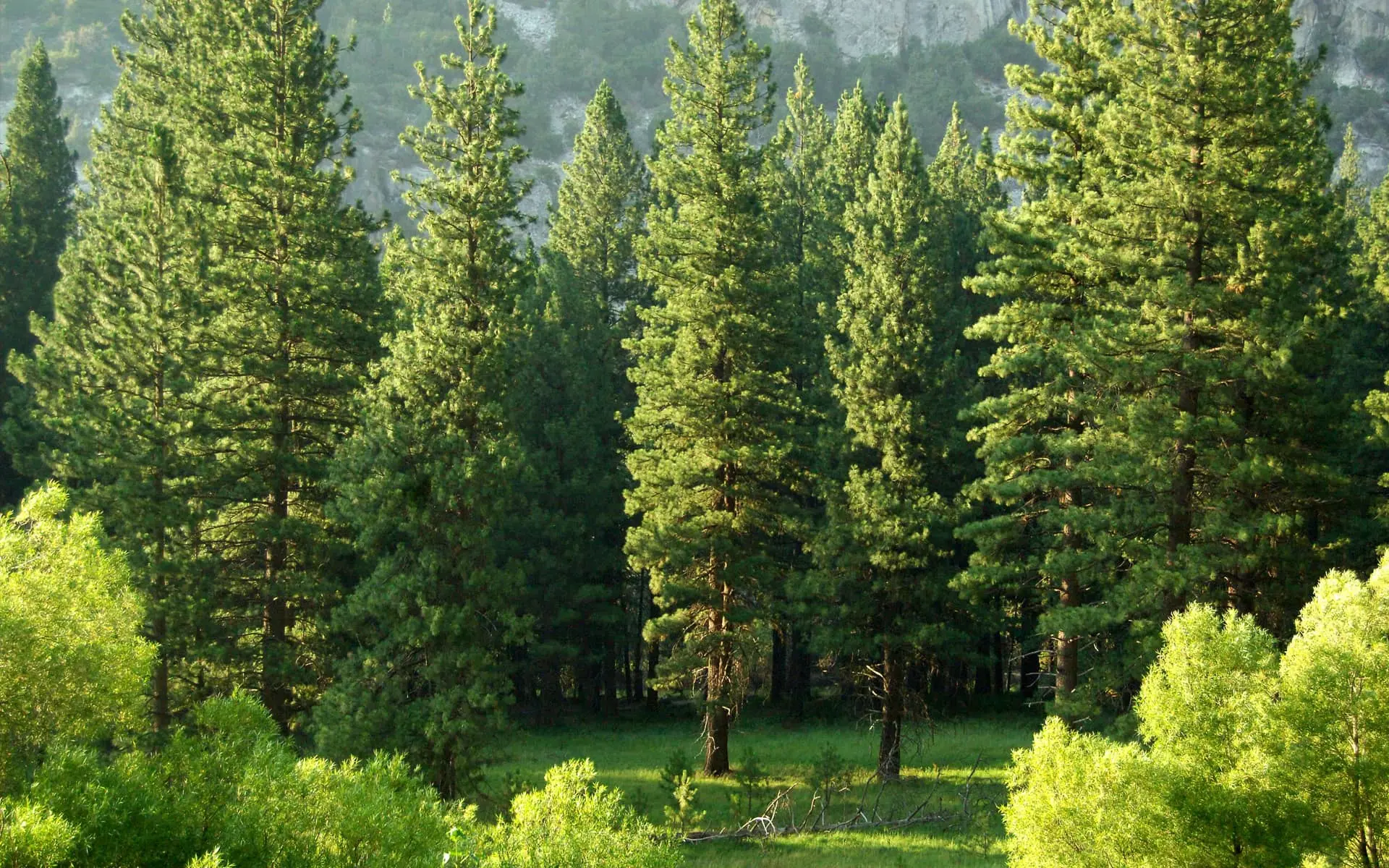
White pines are common throughout Vermont. Their long branches and evergreen needles collect heavy snow. Wet snow can bend limbs or cause them to break. Trees growing near homes and driveways deserve extra attention.
Silver Maple
Silver maples grow quickly but often develop weak branch attachments. Large limbs can split under the weight of ice or heavy snow. Older trees with multiple trunks can be especially vulnerable.
Birch Trees
Birch trees have flexible branches that bend under heavy snow. While smaller trees may recover, prolonged snow loads can leave them permanently bent or cause branches to break. Ice buildup adds even more stress.
Poplar and Aspen
Poplars and aspens are fast-growing trees with relatively weak wood. Older trees may develop internal decay that makes them more likely to fail during winter storms.
Why Vermont Winters Cause So Much Tree Damage
Winter storm tree damage is a common concern in Northfield, Montpelier, Barre and surrounding Vermont communities.
Heavy wet snow is often more damaging than light powder. It sticks to branches and adds considerable weight. Freezing rain creates another problem by coating limbs in ice.
Vermont's hills and valleys also create different conditions from one property to another. Trees growing along exposed ridgelines face stronger winds while those in lower areas may experience heavy ice accumulation.
At Snapping Turtle Tree Works, we understand the challenges Vermont weather creates for local properties. Trees that look healthy from the ground can still have structural problems that become dangerous under winter conditions.
How to Reduce the Risk of Winter Tree Damage
One common mistake is assuming that a healthy-looking tree cannot fail during a storm. Hidden decay, weak branch unions and previous damage can all increase the risk.
Homeowners should take a few precautions before winter arrives:
- Inspect large branches: Look for cracks, dead limbs and branches hanging over structures.
- Watch for multiple trunks: Trees with tight V-shaped unions may have weak connections.
- Remove deadwood: Dead branches are more likely to break under heavy snow.
- Schedule professional trimming: Proper pruning can reduce the risk of branch failure.
- Avoid shaking frozen branches: Trying to remove ice can cause additional damage.
If a tree is leaning, splitting or showing signs of decay, have it inspected before winter weather makes the situation worse.
Frequently Asked Questions
What trees are most likely to break during a snowstorm?
White pine, silver maple, birch and poplar can be vulnerable to snow and ice damage. However, the condition and structure of a tree often matter more than its species.
Can healthy trees break under heavy snow?
Yes. Even healthy trees can lose branches when heavy wet snow or ice creates more weight than the limbs can support.
Should I remove snow from tree branches?
Avoid shaking or striking frozen branches. This can cause them to snap. Stay clear of heavily loaded limbs and contact a professional if there is a safety concern.
When should trees be trimmed before winter?
Late summer and fall are good times to identify hazardous branches. The best pruning time depends on the tree species and its condition.
Can a tree recover after winter storm damage?
Minor damage may heal over time. Trees with major splits, broken leaders or structural damage should be evaluated to determine whether pruning or removal is necessary.
Protect Your Property Before the Next Winter Storm
Winter storms are unavoidable in Vermont, but many tree hazards can be addressed ahead of time.
Snapping Turtle Tree Works provides professional tree trimming and removal services throughout Northfield, Montpelier, Barre and surrounding Central Vermont communities.
Contact Snapping Turtle Tree Works today to request a free estimate and prepare your property for winter.